
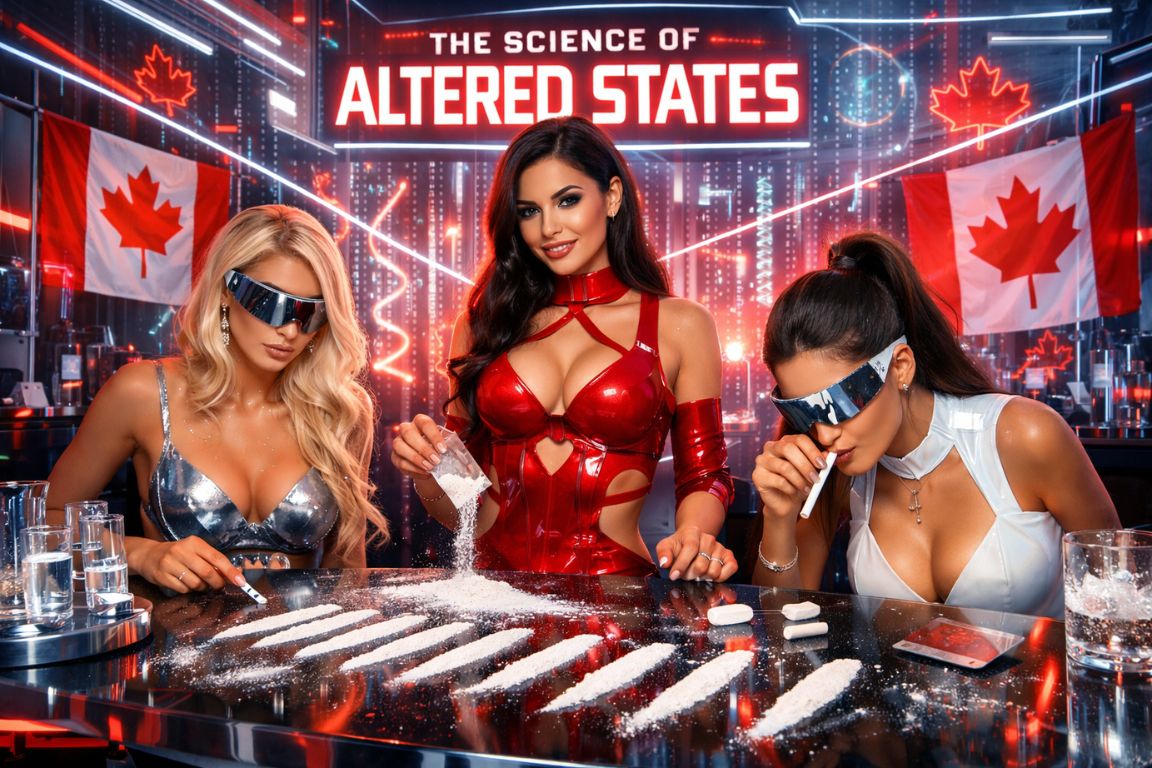
🧠🌌 The Science of Altered States
Altered states of consciousness have fascinated scientists, philosophers, and cultures for centuries 🌿🌀. Today, modern neuroscience is beginning to explain these states not as mysteries—but as natural variations in how the brain processes information.
From dreaming and meditation to extreme focus and psychedelic experiences, altered states reveal how flexible human awareness really is.
🧠 Consciousness Is Not Fixed
Science increasingly shows that consciousness isn’t a single, stable mode 🧩. Instead, it’s a dynamic process shaped by:
- Brain network communication
- Attention and perception
- Emotion and meaning-making
Altered states occur when these systems shift from their usual patterns.
🌐 Brain Networks and Connectivity
In normal waking life, certain brain networks dominate to maintain focus, identity, and consistency ⚙️. Research suggests altered states may:
- Reduce rigid control from dominant networks
- Increase communication between regions
- Allow novel patterns of awareness to emerge
This helps explain why experiences can feel expansive, vivid, or perspective-changing.
👁️ Perception and Meaning
Altered states don’t necessarily add new information—they change how information is interpreted 👁️✨. Sensory input, emotions, and thoughts may take on new significance, making experiences feel deeper or more real.
⚖️ Context Still Shapes the Experience
Science emphasizes that altered states are context-dependent 🚦. Mindset, environment, and reflection afterward all influence how these states are understood and remembered.
✨ Final Thoughts
The science of altered states shows that reality is not passively observed—it’s actively constructed 🧠🌌. When the brain’s usual rules shift, awareness shifts with them, offering insight into how perception, meaning, and consciousness are formed.
🎁 Exclusive Offer for Blog Readers
🛒 Buy Online at Cosmiq
🚚 Canada Wide Delivery
💸 Blog Readers Get 10% Off — No Minimum
🏷 Promo Code: BLOG10